
The a2 Milk® Difference
At The a2 Milk Company, A1 protein free milk is what we do.
What is a2 Milk®?
a2 Milk® is 100% natural dairy milk, but with one important difference. Unlike ordinary milk, a2 Milk® is naturally A1 protein free.
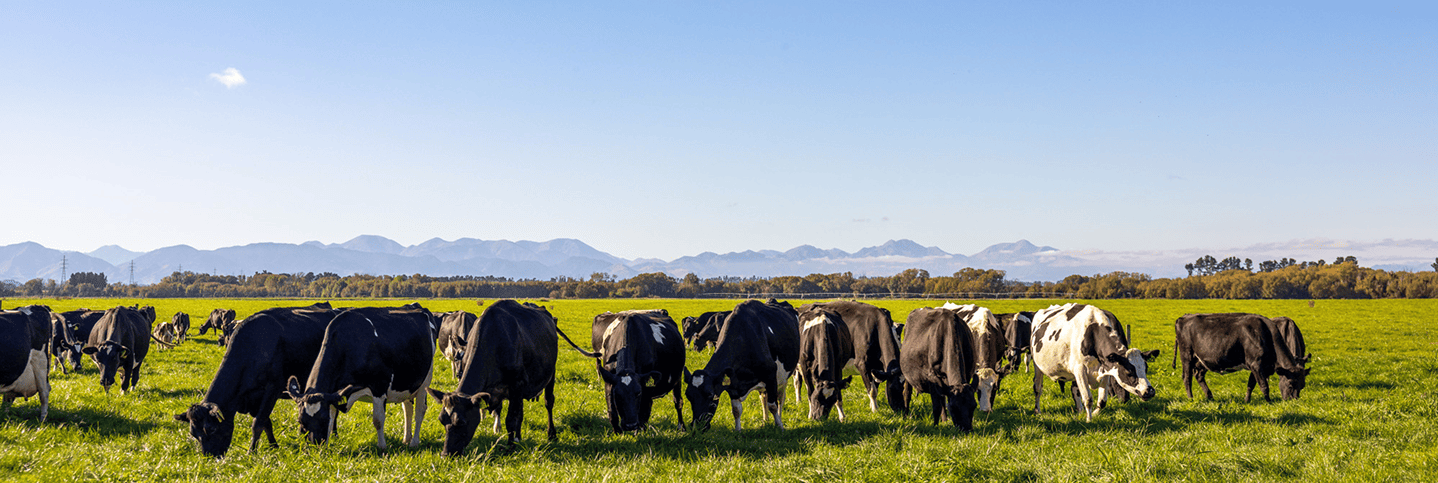
a2 Milk® is sourced from these cows that naturally produce milk containing only A2-type protein, and no A1. Cows are specially selected using a simple genetic test.
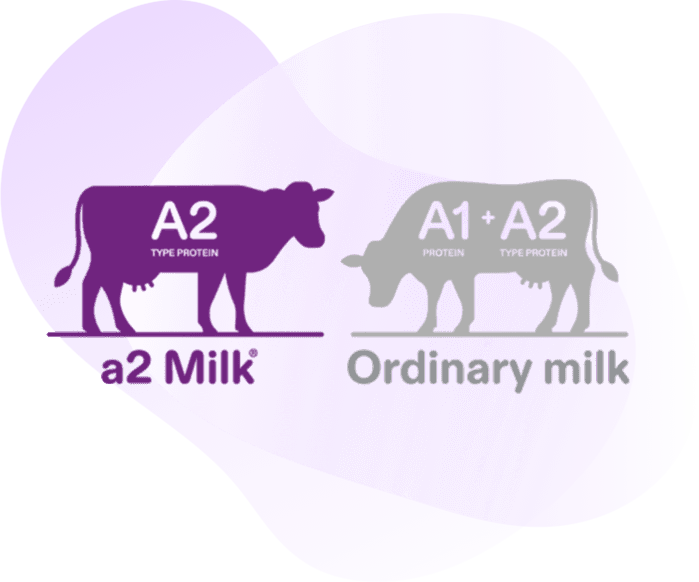
What is the difference between A1 and A2-type proteins?
Approximately 30% of the proteins in cows' milk are a type of protein called beta-casein. These proteins can be grouped into two types, A1 and A2-type, based on a slight difference in their amino acid structure.

Why a2 Milk®?
Dietary guidelines recommend dairy milk and dairy products as an important source of many nutrients, including calcium across life stages¹. Most Australians consume only about half the recommended quantity of milk products or alternatives¹. In some cases, this is due to self-reported milk intolerance and digestive discomfort².
A growing body of clinical research suggests that for some people, the A1 protein in ordinary dairy milk may be the cause of these digestive issues. a2 Milk® naturally contains only A2-type protein and no A1. Some people who find that they experience digestive discomfort after drinking ordinary dairy milk may be able to consume a2 Milk® and experience less digestive discomfort, meaning more people may be able to enjoy the nutrition and health benefits of dairy milk.
Citations
[1] National Health and Medical Research Council. (2013). Australian dietary guidelines. Canberra: National Health and Medical Research Council. Retrieved from https://www.eatforhealth.gov.au
[2] Yantcheva, B. et al. Food avoidance in an Australian adult population sample: the case of dairy products. Public Health Nutrition (2016) 19(9):1616-1623